Continuous Improvement in Leadership: Effective Implementation
- Sean Starr

- May 25, 2023
- 5 min read
Introduction
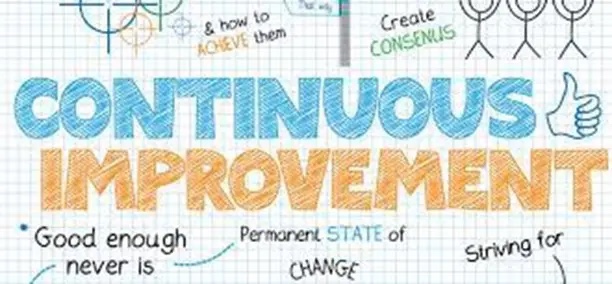
Kaizen is a Japanese term that translates to "continuous improvement." It is a philosophy that emphasises the importance of making small, incremental improvements over time. Kaizen is based on the idea that there is always room for improvement and that even small improvements can have a significant impact on an organisation. In the context of leadership, kaizen can be seen as a key driver of success, as leaders who are committed to ongoing improvement are better able to inspire and motivate their teams. The kaizen philosophy emphasises the importance of continuous improvement in all aspects of an organisation.
Continuous improvement is a philosophy that is ultimately based on the idea that everything can be improved upon, no matter how good it currently is. It is a mindset that is focused on constantly looking for ways to make things better, more efficient, and more effective. Continuous improvement is not just a tool or a technique that can be implemented in a specific area of a business or organisation. It is a way of thinking that needs to be ingrained in the culture of the entire organisation.
The philosophy of continuous improvement is based on the idea that small incremental changes can lead to significant improvements over time. It is not about making radical changes or overhauling entire systems all at once. Rather, it is about making small improvements consistently over time, and building upon those improvements to achieve even greater results.
Continuous improvement is a philosophy that has been embraced by many organisations as a means of enhancing efficiency and productivity. The concept of continuous improvement involves making small incremental changes that lead to significant improvements over time. Continuous improvement is not just a process, but also a mindset that requires a commitment to ongoing growth and development. In the context of leadership, continuous improvement can be seen as a key driver of success, as leaders who are committed to ongoing improvement are better able to inspire and motivate their teams. This blog explores the concept of continuous improvement and its importance in leadership, as well as strategies for implementing continuous improvement in organisations and the role of a leader in driving continuous improvement efforts.
Exploring the Concept of Continuous Improvement
Continuous improvement is a philosophy that involves constantly striving to improve the way things are done in an organisation. This process involves making small incremental changes that lead to significant improvements over time. The concept of continuous improvement is based on the idea that there is always room for improvement, and that even small improvements can have a significant impact on an organisation’s bottom line. Continuous improvement is not just a process, but also a mindset that requires a commitment to ongoing growth and development.
Continuous improvement is important because it allows organisations to stay competitive and adapt to changing market conditions. Organisations that are committed to continuous improvement are better able to identify areas for improvement and implement changes quickly and efficiently. This allows them to stay ahead of the competition and maintain their position in the market.
Continuous improvement is particularly important in leadership because it allows leaders to improve their skills and become more effective in their roles. Leaders who are committed to ongoing improvement are better able to inspire and motivate their teams, and are more likely to be successful in achieving their goals. By constantly seeking to improve their skills and knowledge, leaders are better equipped to make informed decisions and lead their teams through challenging times.
Strategies for Implementing Continuous Improvement in Organisations
Implementing continuous improvement in an organisation requires a commitment to ongoing growth and development. There are several strategies that organisations can use to implement continuous improvement, including:
1. Establishing a culture of continuous improvement: Creating a culture of continuous improvement involves making it a priority at all levels of the organisation. This means ensuring that everyone in the organisation is aware of the importance of continuous improvement and is committed to ongoing growth and development.
2. Identifying areas for improvement: Identifying areas for improvement is an important step in the continuous improvement process. This involves analysing current processes and procedures, and identifying areas where improvements can be made.
3. Developing improvement plans: Once areas for improvement have been identified, it is important to develop improvement plans. Improvement plans should include specific goals, timelines, and metrics for measuring success.
4. Implementing changes: Implementing changes requires a commitment to ongoing improvement and the willingness to try new things. Organisations should be willing to take risks and experiment with new approaches in order to achieve their goals.
5. Continuous monitoring and evaluation: Continuous monitoring and evaluation is important to ensure that improvements are sustained over time. This involves regularly reviewing progress and making adjustments as needed.
The Role of a Leader in Driving Continuous Improvement Efforts
The role of a leader in driving continuous improvement efforts is crucial. Leaders play a key role in creating a culture of continuous improvement and inspiring their teams to embrace ongoing growth and development. Some of the key ways that leaders can drive continuous improvement efforts include:
1. Setting the tone: Leaders set the tone for the organisation and establish the culture. As such, it is important for leaders to lead by example and demonstrate their commitment to continuous improvement. This means being open to feedback, embracing change, and being willing to take risks.
2. Encouraging innovation: Leaders should encourage innovation and be open to new ideas and approaches. This requires creating an environment where employees feel comfortable sharing their ideas and experimenting with new approaches.
3. Providing resources: Leaders should provide the necessary resources and support to implement continuous improvement initiatives. This includes providing training and development opportunities, as well as allocating resources for improvement projects.
4. Celebrating successes: Celebrating successes is an important part of driving continuous improvement efforts. Leaders should recognise and celebrate the achievements of their teams, and use these successes as a way to motivate and inspire further improvement efforts.
Final thoughts
Continuous improvement requires a commitment to ongoing learning and development. It means being open to new ideas and perspectives, and being willing to challenge the status quo. It involves a willingness to experiment and take risks, and to learn from failures and mistakes. Continuous improvement is not a one-time event, but rather a continuous process of improvement and refinement.
Continuous improvement is a powerful philosophy for organisations looking to enhance efficiency and productivity. In the context of leadership, continuous improvement is essential for driving success and inspiring teams to achieve their goals. Implementing continuous improvement requires a commitment to ongoing growth and development, as well as a willingness to take risks and try new approaches. Leaders play a crucial role in driving continuous improvement efforts, and should lead by example, encourage innovation, provide resources, and celebrate successes. By embracing continuous improvement, organisations can stay competitive, adapt to changing market conditions, and achieve long-term success



Comments